A Time-Travelling Journey A Trip Back In Time: What People Talked About Multipoint Door Lock Replacement 20 Years Ago


Multipoint Door Lock Replacement
Multipoint door locks are bolted onto the frame of the door. They are secured at multiple points using only one action. While they can be more expensive than deadbolt systems but they provide superior security and stop doors with large openings from becoming warped.
Fullex is a multipoint lock manufacturer that has been in operation for many years. Their locks are "Secured by Design approved' and are a great fit for your home.
Drooping Handles
Multipoint door handles play an essential role in the security of your house. They are an integral component of uPVC doors and must be maintained regularly and lubricated as well as tightened to ensure that they are functional and secure. If you notice problems with your multipoint lock handle it is essential to determine the problem correctly and fix it to reduce the chance of further damage or a complete failure of the lock.
A common problem that many people face with their multipoint door handles is that they droop or sag. This can affect the functionality and security of an uPVC door. This issue could be caused by a range of causes, including loose hinges or fixings for handles and misalignment of handles with their locking mechanism, or the binding between the latches and the door. Other causes include excessive force applied to the door, or damaged or worn-out internal components, like levers or springs.
This is usually a simple issue to fix. Most often a door handle that droops is caused by a tightening of the screw holes. This can cause the lever bearing to be stuck to the surface of the door. This can also cause the door to press against the latch mechanism within the mortice and prevent it from functioning properly. This issue can be corrected by loosening the screws just a tiny.
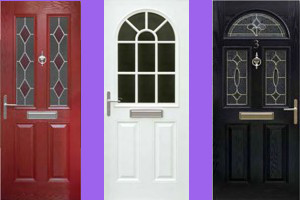
Another common reason for a drooping handle is when the mortice bar is too long for the door. Mortice bars are 8mm wide, however the standard may differ from manufacturer to manufacturer. If you attach handles to an uPVC with a mortice bar that is larger than the standard, they will bind to the door and cause it to drop. The mortice bar is easily cut using a hacksaw for juniors.
The last reason for a drooping or sagging handle may be caused by an unbalanced or poorly packed glass or door panel, which can cause the handle to shift out of alignment with the door keep. This can be a straightforward solution by re-aligning your handle with the door keep, but more serious situations may require the hinges to be replaced.
Refusal to Engage
A multipoint door lock provides more secure against unwanted guests than a standard deadbolt and doorknob. They have multiple locking points. The rods typically extend into the frame's sill or header and a latch is located at the handle. When the handle or cylinder is turned, the mechanisms are extended or retracted simultaneously, creating a solid barrier to prevent entry.
They are extremely secure but they can be a bit fragile. Fortunately, most of the problems that arise are easy to diagnose. The majority of these issues fall into one of five categories.
These issues could be caused due to anything from poor installation to old components. When a customer complains that their multipoint lock isn't functioning correctly The first step is to analyze the issue and determine its source.
Often the problem is caused by misalignment between the handle and lock cylinder, or internal components within the cylinder. Lubrication is another common problem. Lubrication is important to prevent friction and extend the life of moving parts.
These issues are easy to fix by locksmiths or homeowners. It is crucial to identify the correct replacement for your multipoint lock and to ensure that it's properly installed. All About Doors' field measurement worksheet is the best method to accomplish this. This worksheet will help you avoid common mistakes that could reduce the life of your multipoint locking system and affect the operation of your system. Click here to download the field measurements worksheet.
Stuck Hooks
Lock issues may seem minor at first however, they can have a a serious impact on the security of your home and even the energy efficiency of your door. This is why you should always try to repair any problems with your lock in the moment they arise rather than waiting until it's too late and the problem gets more severe or you're locked out of your property.
Thankfully, multipoint doors are designed to be more resilient to common problems than single-point locks. There are usually simple solutions you can try before calling a locksmith. For instance, if you notice that hooks have become stuck it might be as simple as cleaning them. A cotton swab could be inserted into the keyhole in order to get rid of any debris.
Another way you might be able solve the issue yourself is by tightening up the screws on the hinges of the door. You should be able find them with a screwdriver and adjusting them might be enough to force the latch bolts back into position and enable you to lock the door again.
If your lock's cylinder has been stuck in the door, this can be a bit more difficult to handle however it's not impossible. This could be due to wear and tear, misalignment or damage to the cylinder. It could also be due to your handle or door isn't seated properly in the frame.
If this is the case, then you might be able to solve it yourself by lubricating your mechanism with graphite spray. This can help in removing the dirt and debris blocking the mechanism - it's best not to force the lock to open it could cause further damage to the mechanism and cause further problems. Instead, you should contact a locksmith for help or to carry out a professional fix. This will typically be cheaper in the long run than attempting to force the lock or trying to open it by hand.
replacement lock for upvc door is a new design that is designed to provide high-quality security against burglaries and other dangers. It offers a number of advantages over single point locks, for example, deflecting the impact of the break-in and forming an even more secure seal against weather elements. However, like any locking mechanism, it's not impervious to issues that could affect its function. If the hardware jams it could be a inconvenience for the people who are trying to gain access to the property. It may also pose a safety risk.
There are some steps you can follow, whether you're a business or homeowner to get the lock working again and reopening the door. First, examine the lock for external damage that could cause it to fail. Examine for loose screws or components that are not aligned that could be preventing the lock from functioning properly. Consult a locksmith if you think the issue is within the.
The most common reason for jammed multipoint locks is caused by weather changes that freeze the mechanism and make it difficult to turn the key. This is usually fixed by heating the key with a bit of boiling water or using an electric torch to melt the ice, as well as other materials which can cause the lock to slam.
If the lock is stuck, spray Teflon or powdered graphite in the locking mechanism. Insert the key to see whether it helps. If the lock is lubricated and the key is turning easily however the latch doesn't return, the problem may be the alignment between the frame and door. Check to see whether the frame and door are aligned with the same gaps. If not you can adjust the hinges and strike plates to realign them.
It is also possible that the problem is not with the door in itself but rather the deadbolt or handle that is malfunctioning. In this case the new handle or deadbolt needs to be installed by an experienced professional. This is particularly crucial in the event that your door was constructed to meet Secured by Design standards, which are supported by national and local authorities. In these situations the manufacturer must provide a guarantee on the product and offer an exchange in the event that the product is found to be defective.